


On the Export of Right-Hand Drive Vehicles
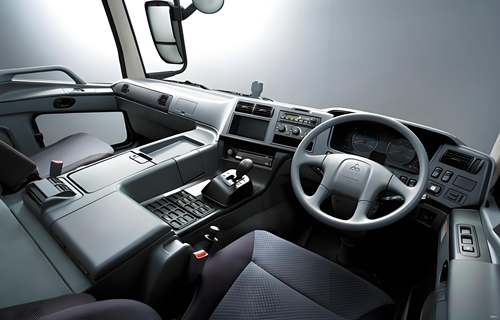
The export of right-hand drive (RHD) vehicles has gradually emerged as a promising niche in the automotive industry in recent years, showcasing both a broad development prospect and a unique competitive landscape.
Market Opportunities:
The RHD vehicle market covers Japan, Southeast Asia, Commonwealth countries, and parts of Africa and the Middle East, with a total population approaching 2 billion. In these regions, countries like Malaysia, Singapore, and Thailand in Southeast Asia have relatively weak automotive industry foundations and local manufacturing capabilities, resulting in a high demand for imported vehicles. Over the past few years, the demand for new energy vehicles in these countries has risen rapidly, while the penetration rate of electric vehicles remains relatively low. Markets such as Southeast Asia, the UK, and Australia lack strong local brands, which provides a vast market space for the export of RHD vehicles.
Competitive Advantages:
Chinese automobiles are known for their high cost-performance ratio and rich, intelligent configurations. Some automakers, such as Skyworth Automotive, have adopted innovative measures like universal left-hand and right-hand drive designs for the center console, which better meet the needs of the RHD vehicle market. Compared to Japanese and Korean brands, they offer price advantages; and compared to European and American brands, they have a better understanding of user preferences and usage scenarios in developing markets.
Vehicle Sourcing Channels:
Identifying "native" RHD vehicles is key. This includes RHD vehicles produced in foreign-funded factories in China for export, such as media test vehicles and stock vehicles; parallel imported RHD vehicles, like the Toyota Alphard; and vehicles brought in by expatriates. In addition, collaborating with original equipment manufacturers (OEMs) to explore official channels and export domestic test vehicles as "certified pre-owned vehicles" is also an important sourcing route. Some merchants have already started purchasing second-hand vehicles from Hong Kong or Japan.
Challenges Faced:
The export of RHD vehicles faces numerous challenges. In developed markets, regulations are extremely strict, and certification costs are high. Countries such as Australia, New Zealand, and the UK have very high certification requirements for vehicle safety, emissions, and other aspects. At the same time, there is a structural contradiction in vehicle sourcing for second-hand vehicle exports. In the domestic Chinese market, the vast majority of vehicles are left-hand drive, with very few RHD vehicles available. Moreover, converting left-hand drive vehicles to right-hand drive is not only costly but also risky and difficult to pass strict certifications.
Development Trends:
As OEMs place greater emphasis on the RHD vehicle market, the parallel export of new vehicles will become an important trend. The year 2025 is considered the starting point for the parallel export of new RHD vehicles. Some automotive brands have already supported the development of RHD models and offered flexible customization services, which will bring new opportunities for the export of RHD vehicles.
-
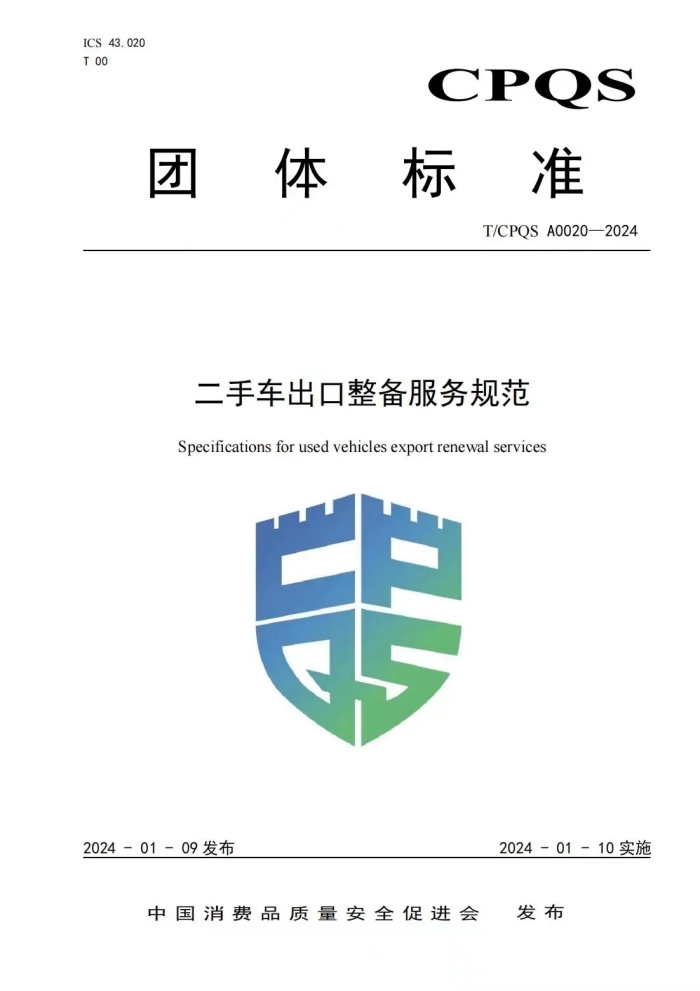 Implementation of the 《Specifications for used vehicles export renewal service》Jan,15,2024
-
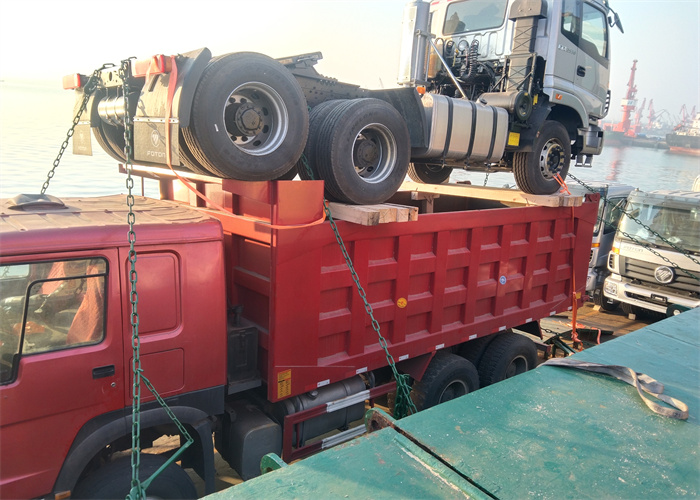 The used trucks in China are popular in many parts of the worldDec,31,2023
-
 China National Heavy Duty Truck Group is renowned overseasJan,09,2024
-
 Chinese trucks in TanzaniaJan,08,2024
-
 Used Car and Auto Parts in China Concentrate on Overseas Exports and Foreign Exchange SettlementsFeb,01,2024


 Links